

How Early Is Early Enough?
How far in advance should you book party rentals? In most cases, you should begin contacting rental companies as soon as your event date and venue are confirmed. For a standard birthday party, shower, anniversary, or small private gathering, booking several weeks to a few months ahead may provide enough time to secure the essential tables, chairs, linens, and serving equipment. However, weddings, corporate events, large celebrations, outdoor parties, and events held during busy seasons often require a longer planning window. Specialty tents, luxury furniture, custom linens, dance floors, staging, and large matching inventory can be reserved months in advance. The right booking timeline depends on five main factors: your event type, date, guest count, venue requirements, and rental complexity. General timelines are helpful for planning, but actual availability will always depend on the rental company’s inventory, delivery schedule, and demand for your specific event date.How Far in Advance Should You Book Party Rentals?
How far in advance should you book party rentals? A good rule is to reserve your rentals as soon as the event date, venue, and approximate guest count are confirmed. For many events, this means starting the process one to six months ahead. Larger celebrations, outdoor events, and parties held during busy seasons may require even earlier planning. The ideal booking window depends on demand, the size of your order, and whether you need standard or specialty inventory. Tables and basic chairs may be easier to secure on short notice, while tents, luxury seating, custom linens, dance floors, stages, and lounge furniture often book earlier.General Party Rental Booking Windows
| Recommended lead time | Best suited for |
| 6–12 months ahead | Weddings, large galas, festivals, custom tent installations, and peak-season events |
| 3–6 months ahead | Corporate events, graduations, holiday parties, fundraisers, and medium-sized celebrations |
| 1–3 months ahead | Birthdays, baby showers, anniversaries, engagement parties, and smaller private gatherings |
| 2–4 weeks ahead | Simple off-season orders when you are flexible about styles, colors, and delivery times |
| Less than two weeks ahead | Last-minute events, although inventory, quantities, styles, and delivery availability may be limited |
Why Earlier Booking Gives You Better Options
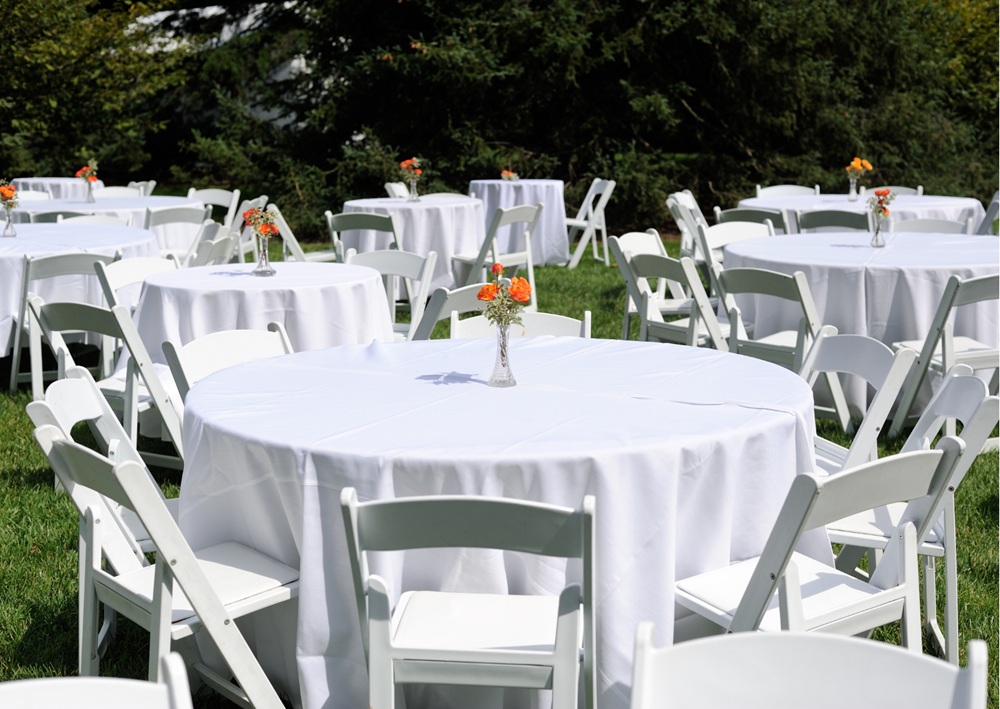
Booking early gives you access to a wider selection of colors, styles, sizes, and matching quantities. It also improves your chances of securing tents, specialty furniture, dance floors, bars, and other high-demand equipment. An early reservation provides more time to create floor plans, coordinate delivery with the venue, confirm setup requirements, and adjust quantities as the guest list changes. It may also reduce the likelihood of rush fees, limited delivery windows, or the need to accept substitute products.What Determines How Early You Need to Book?
There is no single booking timeline that works for every celebration. How far in advance you need to reserve party rentals depends on when the event is taking place, how many guests will attend, what the venue allows, and how specialized the rental order will be. Understanding these variables can help you determine whether you should book several weeks, several months, or even a year before the event.Your Event Date and Season
The event date is one of the biggest factors affecting rental availability. Spring and fall wedding seasons, graduation weekends, the summer outdoor-event season, Thanksgiving, and December holiday parties can create intense demand for tables, chairs, tents, heaters, linens, and catering equipment. Major local festivals, sporting events, and community celebrations can also reduce the inventory and delivery crews available in a particular area. A Saturday wedding during a popular month will generally require much more lead time than a weekday birthday party held during a slower season. The less flexible you are about your date, rental style, or delivery schedule, the earlier you should begin contacting rental companies.Event Type and Guest Count
A small dinner for 30 guests is usually easier to accommodate than a wedding, corporate gala, or fundraiser for 300 people. Larger events require more tables, chairs, linens, place settings, serving equipment, and decorative pieces. The rental company may also need multiple delivery vehicles, a larger setup crew, and additional time for installation and breakdown. Large guest counts can make matching inventory particularly important. A company may have enough chairs available overall but not enough of the exact same chair style or color for every guest. Booking early increases the chance of securing a consistent and coordinated look.Venue Access and Site Conditions
The venue can significantly affect how much planning time is required. Rental providers need to understand where vehicles can park, how equipment will enter the property, and how long the setup team will have access to the space. Important considerations include loading areas, elevators, stairs, narrow doorways, setup restrictions, limited delivery windows, uneven ground, electrical access, and whether the rentals will be installed indoors or outdoors. An unfamiliar, difficult, or remote site may require an early walkthrough so the rental company can evaluate measurements, surfaces, access points, and installation requirements.Rental Complexity and Customization
Specialty rentals generally require more notice than standard inventory. Custom linens, branded installations, coordinated lounge furniture, clear-top tents, stages, dance floors, specialty bars, unusual chair styles, and products in custom colors or finishes may be available only in limited quantities.Standard Inventory vs. Specialty Inventory
Basic folding chairs, banquet tables, and standard linens may remain available closer to an event date. In comparison, luxury tabletop collections, designer seating, custom furniture groupings, and large quantities of matching specialty items are more likely to be reserved early. Custom products may also require sourcing, fabrication, printing, or approval time before they are ready for delivery.Local Inventory and Delivery Distance
Rental availability varies by market. A large city may have several companies with extensive inventories, while a smaller area may have fewer vendors and limited specialty options. Local demand can also rise quickly during wedding season, graduation weekends, and major community events. Delivery distance matters as well. Events outside a rental company’s normal service area may involve additional transportation planning, fuel or travel fees, minimum-order requirements, and restricted delivery schedules. Longer-distance deliveries should usually be arranged earlier so the company can confirm staffing, vehicle availability, and pickup logistics.How Far in Advance Should You Book Rentals for Different Events?
The ideal booking timeline changes depending on the type, size, and complexity of the event. A small private gathering may need only a few weeks or months of planning, while a wedding, corporate production, or public festival may require reservations six months to a year in advance. The more guests, equipment, customization, and installation involved, the earlier the rental process should begin.
Wedding Rentals
Wedding rentals should usually be discussed shortly after the couple confirms the wedding date and venue. For many weddings, beginning six to twelve months ahead provides enough time to select coordinated pieces and develop an accurate layout. Popular dates, specialty inventory, and large guest counts may require an even earlier reservation. The rental order may include ceremony chairs, reception tables and chairs, linens, flatware, glassware, china, tents, dance floors, bars, lounge furniture, lighting, arches, and decorative installations. These pieces often need to coordinate in color, style, and quantity, which can make availability more limited than it is for a basic private party. Couples do not necessarily need a final guest count before reserving rentals. An initial estimate is usually enough to begin selecting inventory, creating a floor plan, and securing the most important items. Final quantities can often be adjusted later, depending on the rental company’s policies.Peak-Season and Destination Weddings
Peak-season Saturdays should receive the longest planning window because many couples may be requesting the same inventory and delivery crews. Destination weddings, remote venues, and unfamiliar properties also require extra preparation. Long-distance transportation, multiday installations, venue access, weather planning, and local permit requirements may all need to be coordinated well in advance.Corporate Events and Company Celebrations
Corporate events typically benefit from a three-to-six-month planning window, although major conferences and large product launches may need more time. These events can include employee celebrations, trade shows, networking receptions, conferences, company picnics, holiday parties, and brand activations. Corporate rental orders may require stages, podiums, branded backdrops, registration furniture, bars, lounge seating, tables, chairs, audiovisual equipment, and lighting. Setup schedules are often strict because event teams may have only a short window between venue access and guest arrival. Reserving early gives the rental provider time to review the production schedule and coordinate with caterers, audiovisual teams, decorators, and venue staff.Birthdays, Showers, and Anniversary Parties
Birthdays, baby showers, bridal showers, engagement parties, and anniversary celebrations can often be booked one to three months ahead. Smaller gatherings may require less notice when the host needs only standard tables, chairs, linens, and serving equipment. Flexibility makes last-minute availability more likely. A host who is open to different chair styles, linen colors, or delivery windows may have more options than someone planning a highly specific design. However, milestone birthdays, luxury showers, and heavily styled anniversary parties should be treated more like weddings. Custom backdrops, specialty furniture, coordinated tabletop pieces, floral structures, and large installations may need to be reserved several months ahead.Graduations and Holiday Parties
Graduation celebrations and holiday parties often occur during short, highly competitive booking periods. Many families, schools, businesses, and community organizations may need similar rental products on the same weekends. During graduation season, tents, folding chairs, banquet tables, cocktail tables, linens, and buffet equipment can be reserved quickly. Holiday demand may be especially high for heaters, bars, lounge furniture, glassware, serving pieces, and festive linens. Booking three to six months ahead is a reasonable starting point for larger graduation or holiday events. Smaller gatherings may be arranged closer to the date, but early booking offers more choices and better delivery availability.
Festivals, Fundraisers, and Large Public Events
Festivals, charity fundraisers, galas, concerts, and large public events generally require the earliest and most detailed planning cycle. Organizers should often begin six to twelve months ahead, especially when the event involves multiple vendors, public spaces, or complex installations. These events may require large tents, stages, crowd-control barriers, power distribution, generators, lighting, hundreds of tables and chairs, catering equipment, and several delivery phases. Organizers may also need permits, fire inspections, safety plans, weather contingencies, and venue approvals. Because installation and breakdown may take several days, the rental company must reserve not only the equipment but also vehicles, crews, and production time. Beginning early helps prevent scheduling conflicts and gives every vendor enough time to coordinate a safe, efficient event plan.Which Party Rentals Should You Reserve First?
Not every rental item has the same level of availability or planning complexity. When building your order, begin with the rentals that are difficult to replace, available in limited quantities, or dependent on site measurements and professional installation. Essential infrastructure should be secured before smaller decorative items that can be substituted more easily.Tents and Weather-Protection Equipment
Tents are often among the first party rentals you should reserve, especially for weddings, festivals, fundraisers, and outdoor celebrations. The correct tent must accommodate the guest count, seating layout, catering areas, dance floor, stage, and walking space while also fitting safely within the property. Availability depends on the required size and style, as well as the rental company’s installation schedule. Options may include frame tents, pole tents, clear-top tents, and structures with sidewalls. You may also need flooring, heaters, fans, rain gutters, lighting, or climate-control equipment. Clear-top and specialty tents are often available in smaller quantities than standard models. Large installations may also require several days for delivery, setup, inspection, and removal. Reserving early gives the company time to evaluate the site and recommend an appropriate structure.Permits, Inspections, and Installation Requirements
Some tent installations require approval from the venue or local authorities. Depending on the property and event, the rental company may need utility marking, fire-safety documentation, flame-resistance certificates, engineering information, or local permits. The installation surface also matters. Grass, concrete, asphalt, decks, and uneven ground require different anchoring methods. A site inspection may be necessary to identify underground utilities, irrigation systems, slopes, overhead branches, and other obstacles before the tent can be confirmed.Tables, Chairs, and Linens
Tables and chairs are essential to guest comfort, dining, and the overall floor plan, so they should be reserved before minor decorative pieces. Although a rental company may have chairs available, it may not have enough of one exact style, material, or color to accommodate your entire guest count. Matching inventory becomes especially important for weddings, formal dinners, and professionally styled events. Popular options such as cross-back chairs, ghost chairs, luxury dining chairs, or specialty farm tables may be limited. Reserve your core seating and dining equipment based on the estimated guest count. Final quantities can often be adjusted later according to the company’s deadline. Linens should be selected early enough to ensure that the desired sizes, colors, textures, and quantities are available for every table.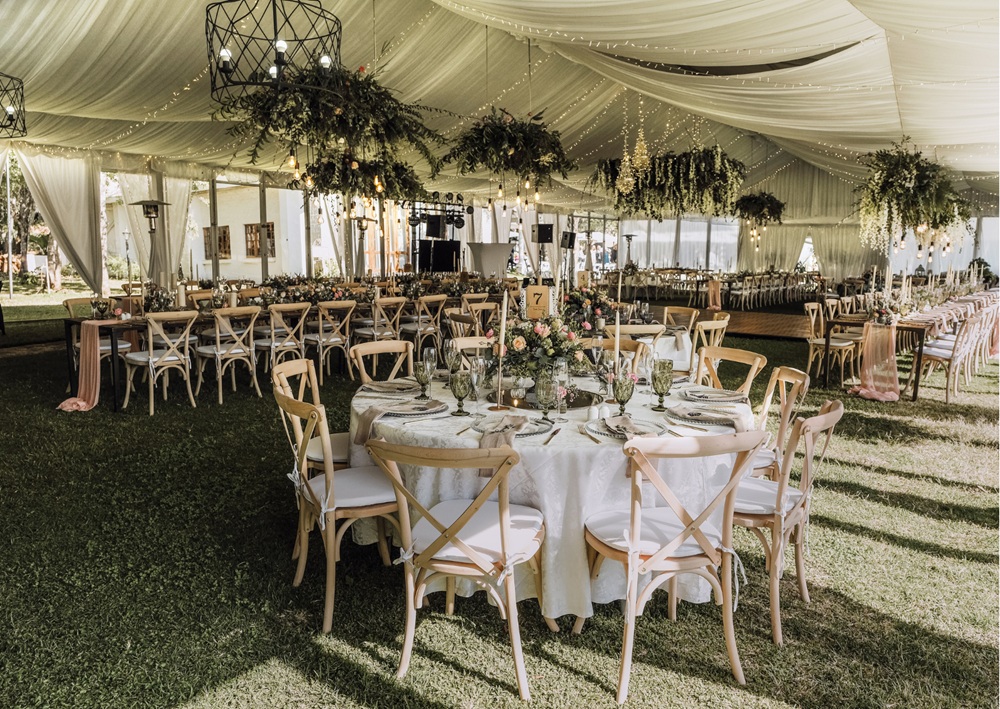
Specialty Furniture and Décor
Specialty furniture and decorative rentals can shape the entire visual identity of an event. These items may include lounge groupings, sofas, accent chairs, coffee tables, luxury seating, decorative bars, arches, backdrops, statement pieces, specialty linens, and distinctive tabletop collections. Because these rentals are highly visual and often more expensive to purchase and store, companies may carry them in smaller quantities. A specific velvet sofa, custom bar, or coordinated lounge collection may be available for only one event on a particular date. Reserve focal-point pieces early, especially when they appear in the ceremony, reception entrance, photo area, or main guest space. Smaller accessories can usually be selected after the major design elements are secured.Dance Floors, Stages, and Bars
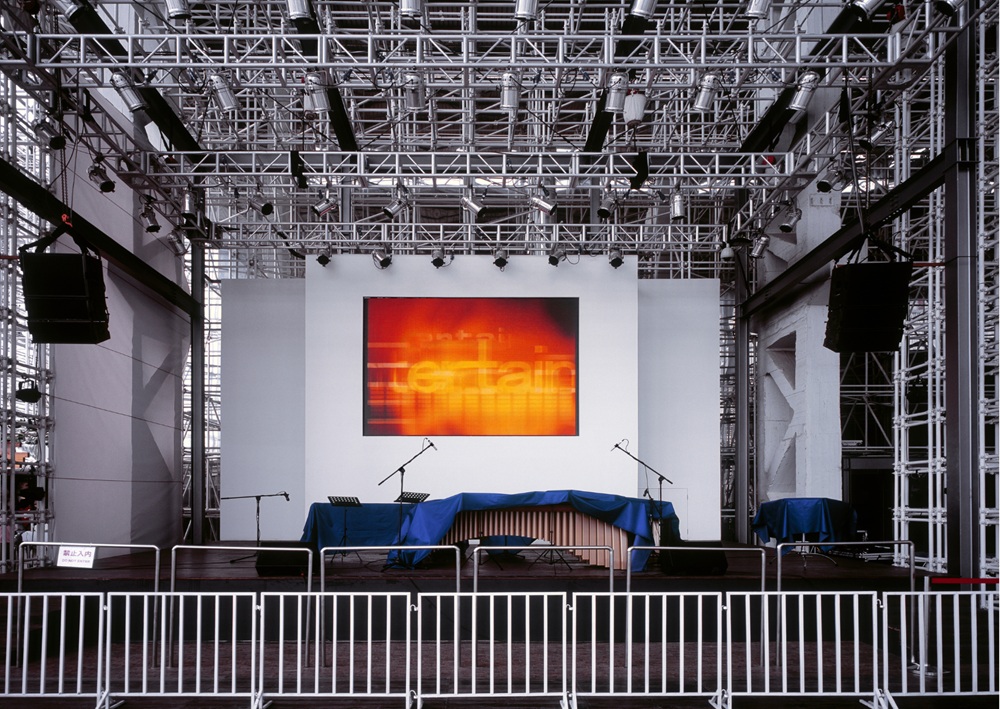
Dance floors, stages, and portable bars require more planning than their appearance may suggest. Their sizes must work with the venue layout, guest count, entertainment requirements, and available floor space. Dance floors need a stable, level surface and sufficient clearance around tables and other structures. Stages must safely support performers, speakers, audiovisual equipment, or displays. Bars need appropriate placement for service access, guest circulation, refrigeration, water, and electrical connections. These installations may also require additional labor and longer setup times. A venue walkthrough or detailed floor plan may be needed before the rental company can confirm dimensions, placement, and pricing. Reserving early allows time to solve access or surface-related problems before the event.Catering Equipment, Lighting, Power, and Climate Control
Catering and technical equipment should be reserved after the event format and menu are established but well before the final planning stage. These rentals may include serving equipment, glassware, flatware, china, portable bars, refrigeration, cooking equipment, warming cabinets, buffet pieces, and beverage-service stations. Lighting, generators, fans, and heaters are equally important because they affect safety and guest comfort. Outdoor events may require additional power for catering, entertainment, lighting, and climate-control systems. The venue’s existing electrical supply may not be sufficient for every vendor. Coordination between the caterer, venue, electrician, entertainment provider, and rental company is essential. Each team should understand the equipment being used, its power requirements, where it will be placed, and who is responsible for installation. Early planning reduces the risk of power shortages, missing service equipment, or uncomfortable event conditions.
The Step-by-Step Party Rental Booking Timeline
Knowing how far in advance you should book party rentals is only part of the planning process. You also need to complete each step in the right order. Following a clear timeline helps you avoid reserving the wrong quantities, overlooking venue restrictions, or discovering important delivery limitations too late.Step 1: Confirm the Date and Venue
Before reserving most party rentals, confirm your event date and venue. The location determines how many guests the space can accommodate, which rentals are already included, and how outside vendors may access the property. Ask the venue about tables, chairs, linens, lighting, staging, and other equipment it may already provide. You should also confirm loading areas, delivery hours, elevator access, setup restrictions, noise rules, and required insurance documents. Some venues work only with approved rental companies, while others charge fees for outside vendors. Outdoor venues require additional questions about tent placement, ground conditions, electrical access, weather plans, and whether permits are necessary.Step 2: Estimate the Guest Count and Core Requirements
You do not need to wait for every RSVP before contacting a party rental company. Begin with a realistic estimated guest count based on the venue capacity, invitation list, and expected attendance. Create an initial list of essential rental categories, including:- Ceremony and reception seating
- Dining, cocktail, buffet, and display tables
- Linens and tabletop items
- Serving and catering equipment
- Tents and weather protection
- Dance floors, stages, or entertainment equipment
- Bars and beverage-service stations
- Lounge furniture and decorative pieces
- Lighting, heaters, fans, and power equipment
Step 3: Contact Rental Companies and Compare Quotes
Contact several qualified rental companies once you know the date, venue, approximate attendance, and general event format. Give each company the same information so you can compare proposals accurately. Your inquiry should include:- The event date
- The venue name and address
- Your estimated guest count
- The requested rental items and quantities
- The available setup time
- The event’s start and end times
- Delivery and pickup requirements
- Indoor or outdoor placement
- Any special venue restrictions
Step 4: Reserve Inventory With a Contract and Deposit
Receiving a quote does not always mean the equipment has been held for your event. Most companies require a signed contract and deposit before they officially reserve inventory. Confirm how long the quote remains valid, what payment secures the order, and whether the deposit is refundable. Review the cancellation, postponement, weather, and substitution policies carefully. You should also ask whether prices can change if your quantities, venue, delivery schedule, or installation requirements change. Keep a copy of the signed agreement, payment receipt, current rental list, and company contact information with your other event-planning documents.Step 5: Complete a Site Visit or Floor Plan
A site visit or detailed floor plan can prevent expensive logistical problems. The rental company may need accurate measurements to determine tent sizes, table configurations, dance-floor dimensions, stage placement, and equipment access. The plan should account for:- Guest circulation and service pathways
- Emergency exits and accessibility
- Ceremony and dining layouts
- Dance-floor and stage placement
- Bar and buffet locations
- Catering preparation areas
- Tent installation and anchoring
- Generator, lighting, and power placement
- Delivery vehicle and equipment routes
Step 6: Finalize Quantities and Delivery Details
Many party rental companies allow clients to adjust quantities until a specified deadline. Ask for this deadline when signing the contract so you know when your guest count and order must become final. Before the deadline, confirm:- The final guest count
- Final rental quantities
- Product styles, sizes, and colors
- Delivery date and arrival window
- Setup and breakdown responsibilities
- Pickup date and time
- The on-site contact person
- Venue access instructions
- After-hours or security procedures
- The outdoor-event rain plan
How to Compare Party Rental Companies
Choosing a party rental company involves more than finding the lowest price or the largest online catalog. The right company should have reliable inventory, local event experience, transparent policies, and the ability to handle unexpected changes. Comparing providers carefully can help you avoid late deliveries, surprise fees, unavailable products, and setup problems on the day of your event.
Review Local Experience and Customer Feedback
Start by looking for a rental company with experience serving events similar to yours. A provider that regularly handles weddings, corporate functions, outdoor celebrations, or large public events will be more familiar with the logistical challenges involved. Do not rely on star ratings alone. Read recent customer reviews to learn whether the company:- Delivered the correct items on time
- Communicated clearly before the event
- Arrived prepared for setup
- Provided clean, well-maintained equipment
- Handled damaged or missing items professionally
- Responded effectively when weather or schedules changed
Compare the Total Rental Price
The company with the lowest advertised product prices may not offer the lowest final cost. One provider may charge less for chairs or tables but add substantial fees for delivery, labor, setup, or pickup. Another may quote a higher rental subtotal while including more services. Ask each company for an itemized estimate based on the same quantities, venue, delivery schedule, and setup requirements. This will help you make an accurate comparison.Fees to Include in the Comparison
Review whether the quote includes:- Delivery to the venue
- Pickup after the event
- Setup and placement
- Breakdown and repacking
- Installation labor
- Weekend or after-hours service
- Damage-waiver charges
- Cleaning fees
- Fuel or long-distance travel fees
- Sales tax
- Minimum-order requirements
- Charges for stairs, elevators, or difficult access

Read Cancellation and Change Policies
Before signing a contract, understand what happens when your plans change. Confirm the deposit amount, payment schedule, refund deadlines, and the date by which quantities must be finalized. Review the company’s policies regarding:- Event cancellations
- Date changes and rescheduling
- Weather-related cancellations
- Reducing or increasing quantities
- Replacing unavailable products
- Changing the delivery location
- Damaged, stained, or missing items
- Late returns or delayed pickup access
Evaluate Communication and Contingency Support
A reliable party rental company should do more than process an order. Its team should ask questions about the venue, expected attendance, event schedule, floor plan, delivery access, and backup plans. The company should also help you estimate appropriate quantities and identify items you may have overlooked. For example, an experienced representative may recommend extra chairs, sidewalls for a tent, additional lighting, backup power, or a larger dance floor based on the guest count. Pay attention to how quickly and clearly the company responds during the quoting process. If communication is confusing before you sign the contract, it may remain difficult as the event approaches. Strong rental partners should also provide realistic alternatives when a preferred item is unavailable. Rather than making promises they cannot keep, they should explain substitution options, design adjustments, and other practical solutions that protect the event’s overall look and function.What Should You Do When Booking Party Rentals at the Last Minute?
Booking party rentals at the last minute does not necessarily mean your event plans will fall apart. Many rental companies keep some standard inventory available for short-notice orders, cancellations may create unexpected openings, and flexible customers can often find workable alternatives. The key is to contact rental providers immediately, make decisions quickly, and focus first on the items that affect guest comfort, safety, and event function. When asking how far in advance you should book party rentals, remember that shorter notice usually means fewer choices rather than no choices at all. A simple event with a flexible design may still be possible, while a highly customized celebration may require compromises.Prioritize Essential Rentals
Begin with the items your event cannot function without. Reserve guest seating, dining or serving tables, shelter, basic linens, catering equipment, and any safety-related products before adding decorative accessories. For an outdoor event, a tent, sidewalls, heaters, fans, or lighting may be more important than specialty lounge furniture or an elaborate backdrop. For a seated meal, focus on having enough chairs, tables, place settings, and serving equipment for every guest. Create two lists: essential rentals and optional rentals. This makes it easier to secure the core order quickly and add decorative pieces only after the main needs are covered.Remain Flexible About Styles and Colors
Flexibility can significantly improve your chances of finding rentals on short notice. Your preferred chair style, linen color, table shape, or tent type may already be reserved, but a similar alternative could still create a cohesive event design. Consider accepting:- Round tables instead of rectangular tables
- A similar chair style in another finish
- A coordinating linen shade rather than an exact color match
- Standard glassware instead of a specialty collection
- A frame tent instead of another tent style
- Mixed lounge pieces that share a similar design or color palette
Ask About Substitutions and Split Orders
If one company cannot supply the entire order, ask whether it can suggest substitutions or provide part of what you need. A rental provider may have enough chairs in two compatible styles, several linen colors that work together, or different table sizes that can be incorporated into the floor plan. You may also need to divide the order between multiple suppliers. For example, one company might provide the tables and chairs while another supplies the tent, dance floor, or specialty furniture. Split orders can solve inventory problems, but they require more coordination. Each supplier will have its own delivery schedule, contract, minimum order, setup responsibilities, and pickup requirements. Multiple orders may also increase delivery and labor costs, so compare the total expense before confirming.Prepare for Rush Fees and Restricted Delivery Times
Last-minute orders may require expedited preparation, additional warehouse labor, or schedule changes. As a result, the rental company may charge rush fees or limit the delivery windows it can offer. Your options may include early delivery, late-night pickup, weekday installation, or customer pickup from the warehouse. Some companies may be able to provide the equipment but not full setup or breakdown service. Before confirming the order, ask about every additional charge and responsibility. Verify who will unload, assemble, position, repack, and return the equipment. Quick decisions are important, but you should still receive a written contract that clearly lists the products, quantities, delivery arrangements, fees, and return requirements.Final Party Rental Booking Checklist
A clear checklist can help prevent small details from becoming last-minute problems. Use the initial reservation checklist when first securing your rentals, then review the final-week checklist shortly before the event. Keep your contract, updated order, floor plan, payment records, and vendor contact information together so they are easy to access.Initial Reservation Checklist
Before signing the rental agreement, confirm the following:- Confirmed event date: Make sure the date is final before reserving inventory.
- Confirmed venue: Verify the address, event space, capacity, and access requirements.
- Estimated guest count: Use a realistic estimate even if RSVPs are not complete.
- Core rental list: Include essential tables, chairs, linens, tents, serving equipment, lighting, and other priority items.
- Preliminary layout: Create an early floor plan showing dining, entertainment, catering, and guest areas.
- Venue restrictions: Confirm delivery hours, loading access, approved vendors, insurance requirements, and setup rules.
- Quote comparison: Compare total costs, services, inventory quality, and policies—not just product prices.
- Signed contract: Make sure every rental item, quantity, service, and fee appears in writing.
- Deposit: Confirm the amount due, payment deadline, and whether it is refundable.
- Cancellation policy: Review cancellation, postponement, weather, substitution, and quantity-change terms.
Final-Week Checklist
During the final week before the event, reconfirm:- Final quantities: Update the order using the confirmed guest count.
- Delivery contact: Provide the name and phone number of the person meeting the rental team.
- Venue access: Confirm loading areas, parking, elevators, security procedures, keys, and access times.
- Setup locations: Send the final floor plan and clearly identify where each item should be placed.
- Weather forecast: Review expected temperatures, rain, wind, and other outdoor-event conditions.
- Backup plan: Confirm tents, sidewalls, heaters, fans, indoor alternatives, or weather-related schedule changes.
- Pickup timing: Verify when breakdown and pickup will occur and whether someone must remain on-site.
- Remaining balance: Confirm the amount due and accepted payment method.
- Vendor contact information: Keep the rental company’s office and event-day numbers readily available.
- Repacking and cleanup: Clarify who must fold linens, stack chairs, empty glassware, clean equipment, and prepare rentals for pickup.