
When comparing a Bounce House Vs Obstacle Course, the best option is not always the biggest or most exciting inflatable. The right choice depends on your guests, available space, event size, and the type of experience you want to create. A bounce house is typically centered around jumping and open-ended play, making it a popular choice for younger children, smaller groups, and events with limited space. Kids can move around freely, play with friends, and enjoy the inflatable at their own pace. An obstacle course creates a more structured experience built around racing, climbing, crawling, sliding, and completing challenges while continuously moving from one section to the next. In a Bounce House Versus Obstacle Course comparison, neither option is universally better. This Bounce House Vs Obstacle Course Guide will help you compare both based on age range, attendance, space, activity style, and event type so you can choose the inflatable that best fits your celebration. 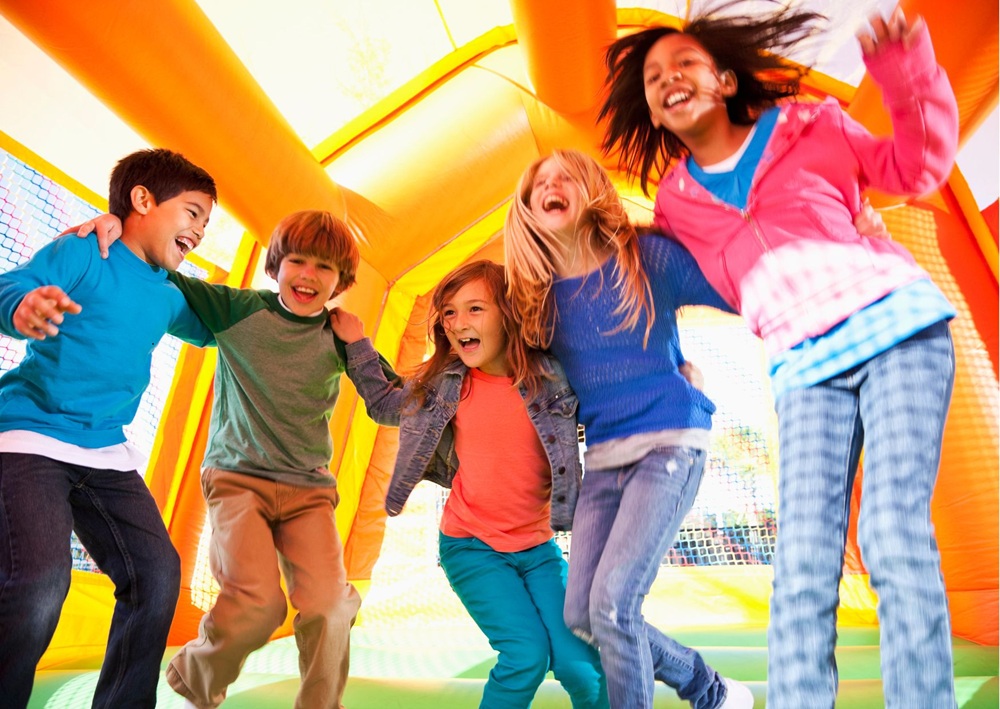
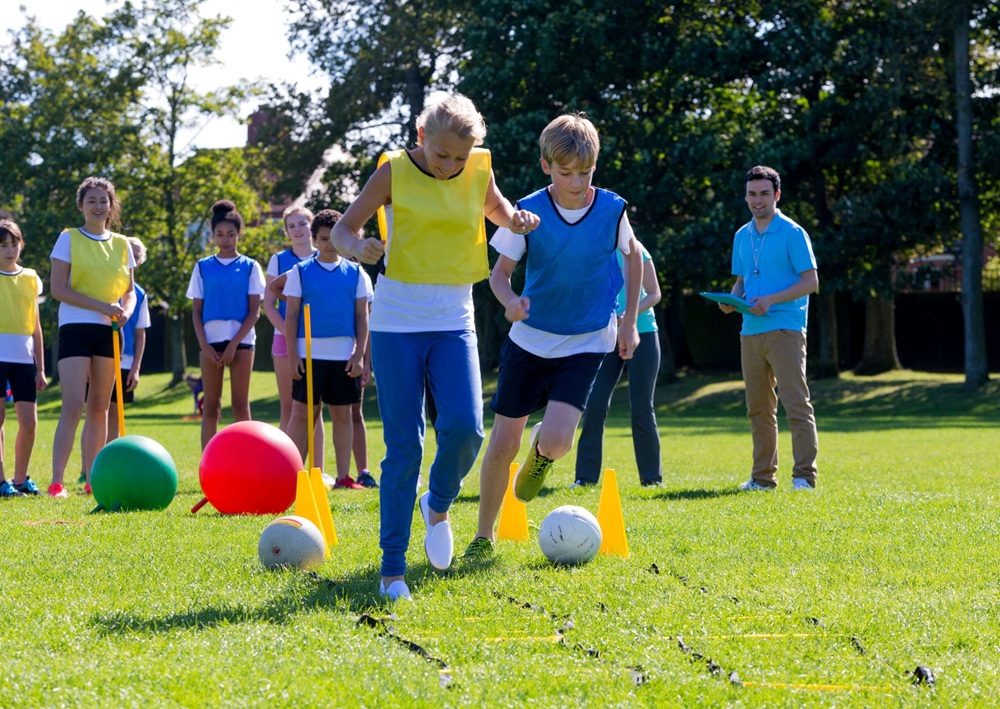
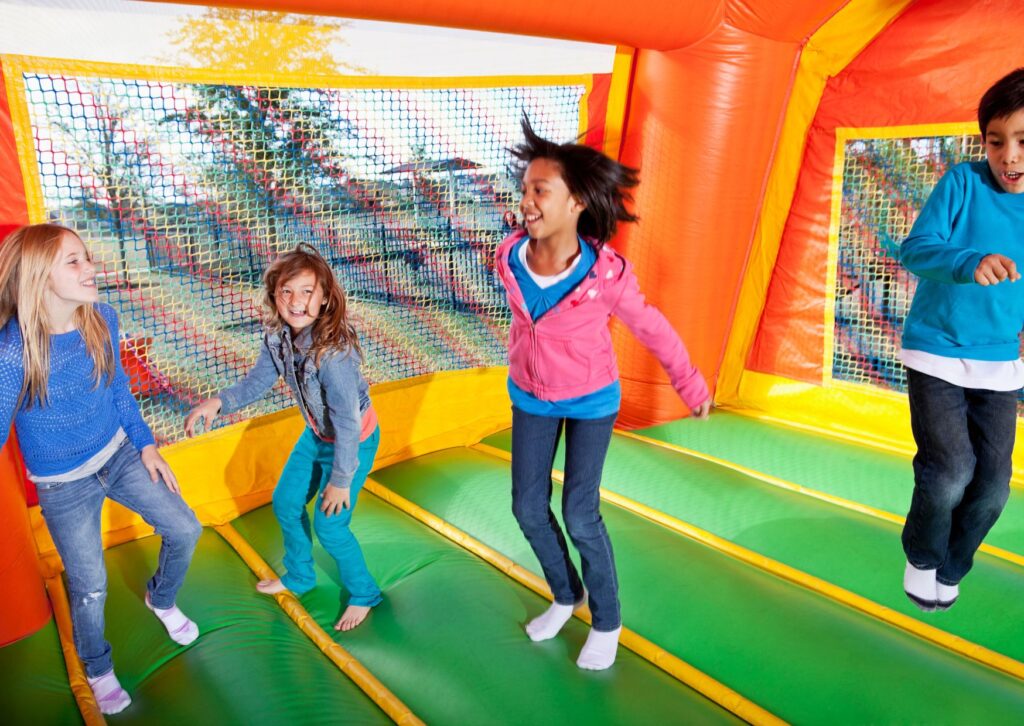
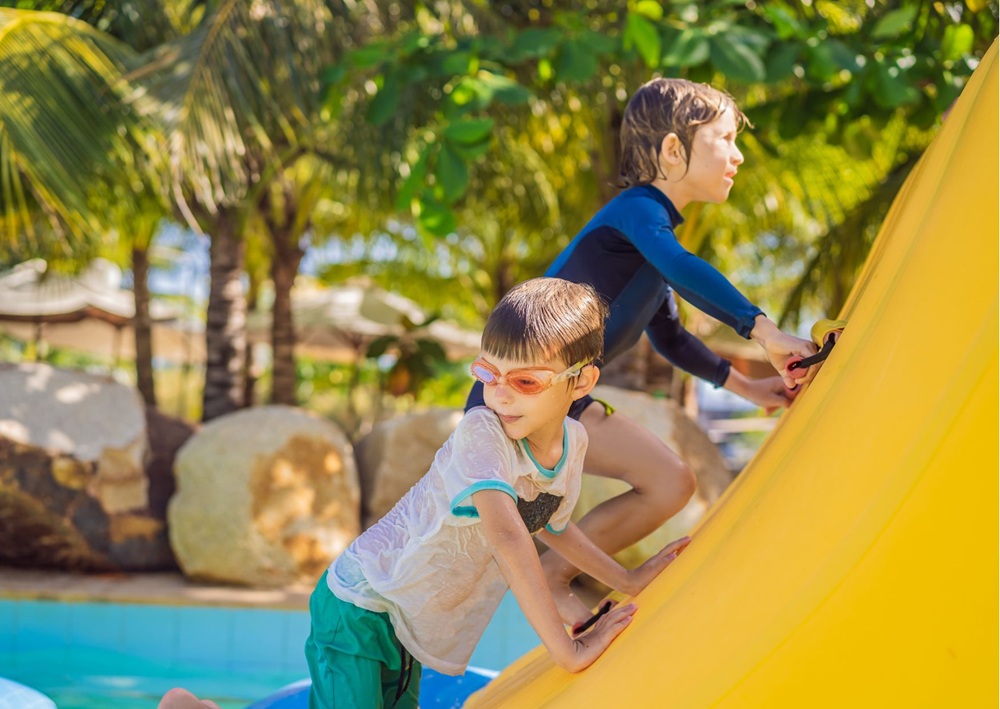
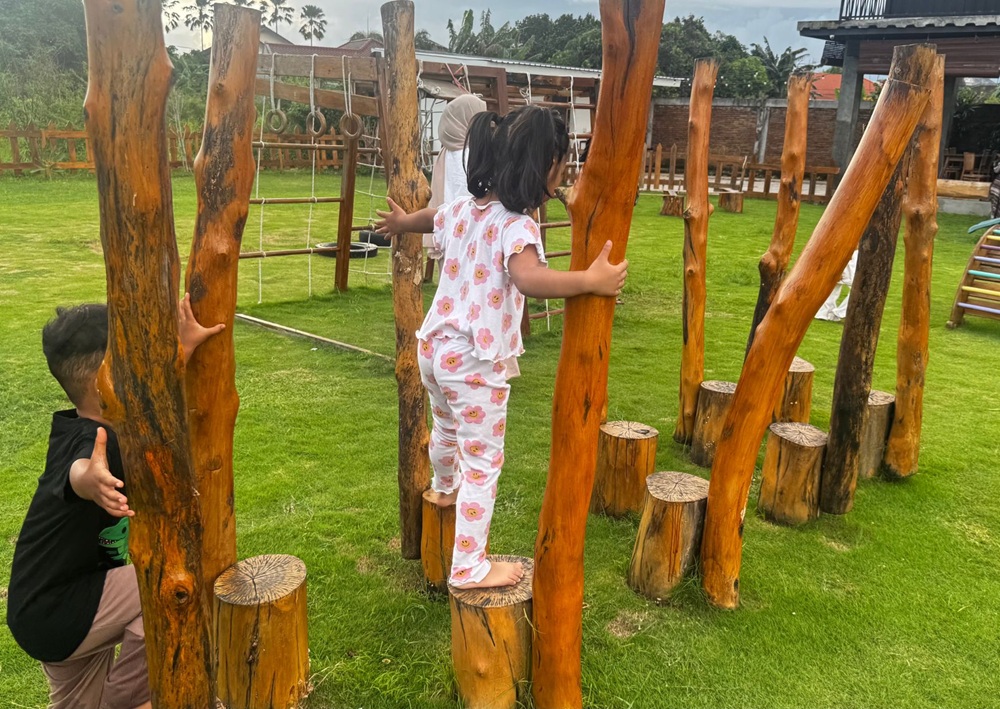
Bounce House vs. Obstacle Course: What’s the Difference?
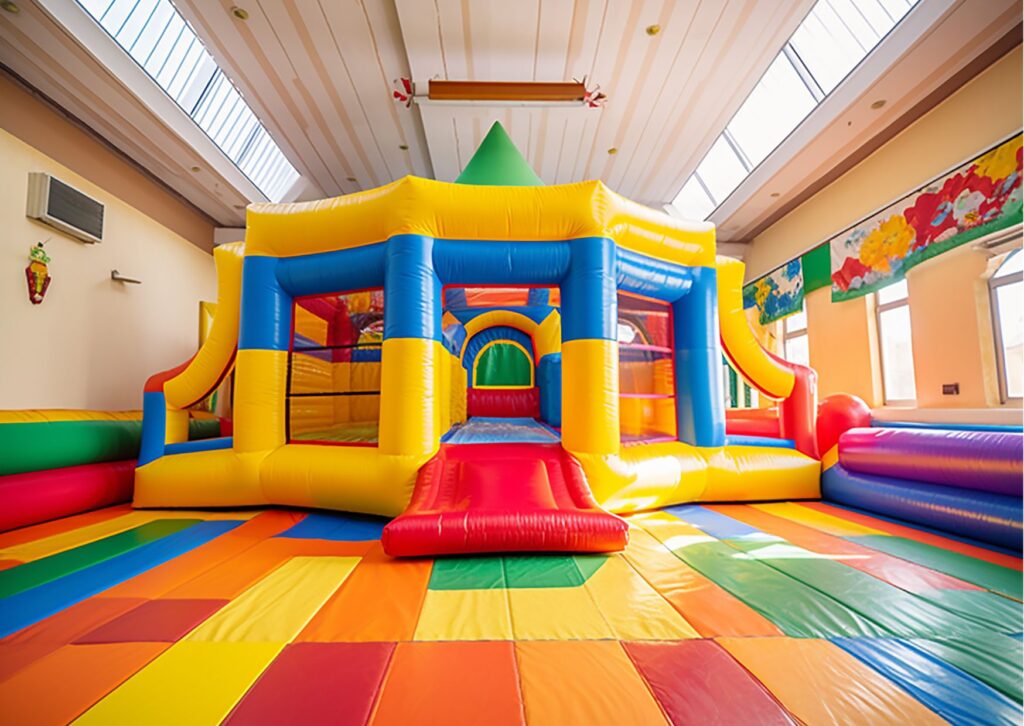
Understanding the basic difference between these two inflatables makes the rest of the Bounce House Vs Obstacle Course comparison much easier. A traditional bounce house is primarily designed as a contained jumping area where children can move freely and create their own fun. An inflatable obstacle course is more directional, guiding participants through a series of challenges before they reach the exit. The source material describes obstacle courses as multi-section inflatables that may include tunnels, climbing walls, pop-up challenges, crawl spaces, and slides.What Is a Bounce House?
A traditional bounce house is an enclosed inflatable space built around jumping, free movement, imaginative play, and social interaction. Children can enter, bounce with friends, invent games, and play at their own pace without following a specific route or completing a set challenge. This less structured style can make a bounce house especially appealing for younger children and smaller parties. When considering a Bounce House Vs Obstacle Course For Kids, the Bouncy House Vs Obstacle Course decision often comes down to whether children prefer open-ended play or a more organized activity.What Is an Inflatable Obstacle Course?
An inflatable obstacle course creates a more structured experience. Participants typically enter at one end and move through different sections that may include tunnels, climbing walls, pop-up obstacles, crawl-through areas, slides, and racing lanes before exiting at the other side. This continuous movement can make the attraction feel more like a challenge or competition. In an Inflatable Obstacle Course Vs Bounce House or Obstacle Course Vs Bounce House comparison, the obstacle course generally offers more variety in the types of movements and activities participants complete along the way.Quick Bounce House vs. Obstacle Course Comparison
A Bounce House Vs Obstacle Course Comparison is easiest when you look at how each inflatable changes the flow and feel of an event. Bounce houses are generally more open-ended, allowing children to stay inside the inflatable and jump, move around, and play at their own pace. Obstacle courses are more directional, with participants moving from the entrance through a series of challenges before exiting at the other end. Bounce houses are often a better fit for younger children, smaller groups, and more casual parties where free play is the main goal. Obstacle courses tend to work well for older kids, mixed-age groups, and larger events where racing, competition, and continuous movement can help keep guests engaged. The source material specifically notes that obstacle courses can reduce congestion because participants keep moving from entrance to exit instead of remaining in one central play area. When comparing Bounce Houses Vs Obstacle Courses, space is another major factor. Bounce houses usually have a more compact footprint, while obstacle courses often require a longer setup area. The atmosphere also differs: bounce houses tend to create a relaxed, playful experience, while obstacle courses create a more energetic and competitive one. Ultimately, there is no single Top Bounce House Vs Obstacle Course choice for every event. The best option depends on your guest ages, group size, available space, activity preferences, and the overall experience you want to create.1. Type of Fun: Free Play vs. Structured Challenges
One of the biggest differences in a Bounce House Vs Obstacle Course Activity is the way participants are encouraged to play. A bounce house gives children more freedom to decide what they want to do once they enter, while an obstacle course creates a more structured path with specific challenges to complete. Both can be highly entertaining, but they produce very different types of Bounce House Vs Obstacle Course Fun.Bounce Houses Encourage Open-Ended Play
Bounce houses are designed around free play rather than a specific objective. Children can bounce, chase friends, make up their own games, stop for a moment, and then start playing again whenever they want. There is no set route they have to follow or the finish line they need to reach. This relaxed structure can make bounce houses especially appealing for younger children and smaller family-oriented gatherings where the goal is simply to give kids a fun place to play together. The source material similarly describes traditional bounce houses as strong options for free play and smaller events.Obstacle Courses Create Goal-Oriented Play
Obstacle courses introduce a clearer objective. Participants move through a sequence of features and may naturally challenge themselves to finish faster, climb over a wall, navigate through obstacles, or complete the entire course without stopping. That built-in structure can also encourage friendly competition between friends, siblings, or teams. The source specifically notes that race-style obstacle courses create opportunities for competition and can increase participation and engagement. When comparing Bounce Houses Vs Obstacle Course options, the key question is whether your guests will enjoy open-ended social play or a more organized experience centered around movement, challenges, and competition.2. Which Is Better for Different Ages?
Age can play a major role in any Bounce House Vs Obstacle Course Kids decision because younger children and older participants often enjoy different types of play. A bounce house generally offers a simpler experience centered on jumping and free movement, while an obstacle course introduces more complex physical challenges and a stronger sense of competition. The best choice depends on the ages attending and the specific inflatable’s rules and design.Bounce Houses for Younger Kids
Bounce houses can be especially appealing for preschool-age children and younger elementary-age kids because the activity is easy to understand and less structured. Children can jump, move around, and play with friends without needing to follow a specific path or complete a challenge. This can work well for birthday parties where most guests are close in age and simply want an active place to play. In a Bounce House Vs Obstacle Course For Kids comparison, bounce houses may be the more natural fit when the group is primarily younger, although the rental provider’s age and capacity guidelines should always be followed.Obstacle Courses for Older and Mixed-Age Groups
Obstacle courses may have stronger appeal for older elementary-age children, preteens, teens, and even adults when the specific unit is designed to accommodate them. The combination of climbing, crawling, racing, and sliding can make the activity feel more challenging and engaging for participants who want more than open-ended jumping. The source specifically notes that obstacle courses can attract older kids, teens, and adults depending on the unit. When comparing Bouncy Houses Vs Obstacle Course options, consider not only age, but also how confident and active the participants are and whether your group will enjoy free play or a more challenging experience.3. Group Size and Guest Flow
Group size is another important factor when deciding between a Bounce House Vs Obstacle Course Event setup. Both inflatables can work well, but they manage participants differently. Bounce houses are more suitable when attendance is manageable and children can comfortably rotate in and out. Obstacle courses are designed around continuous movement, which can make them a stronger fit for larger gatherings where organizers want to keep lines moving and reduce crowding.Bounce Houses Work Well for Smaller Groups
Bounce houses are often a good choice for smaller parties, especially when most guests are younger children. Because participants stay inside the inflatable and play freely, there is less emphasis on moving people through quickly. This works well when the guest list is relatively small and children can take turns without creating long waits. For a Bounce House Vs Obstacle Course Party, a traditional bounce house can provide plenty of entertainment when continuous guest turnover is not a major concern.Obstacle Courses Keep Larger Groups Moving
Obstacle courses naturally create a more efficient flow because participants enter at one point, complete the course, and exit at another. This structure helps prevent guests from staying inside indefinitely and allows the next group to begin more quickly. The San Diego source specifically notes that obstacle courses are designed for flow rather than congestion and can help reduce bottlenecks at larger events. When choosing Bounce Houses Or Obstacle Courses, consider not only how many people are attending, but also how quickly you need participants to move through the activity. For larger events, the built-in entrance-to-exit flow of an obstacle course can make guest management much easier.4. Space Requirements: Which Inflatable Fits Your Venue?
Available space can quickly determine whether a bounce house or obstacle course is the better fit for your event. Even if one option sounds more exciting, the inflatable still needs enough room for safe setup, access, anchoring, and guest movement. This makes venue layout an important part of the decision before you reserve anything.Bounce Houses Often Fit Smaller Spaces
Bounce houses are generally easier to place in more compact areas because they tend to have a smaller overall footprint. They can work well in backyards, smaller lawns, driveways where setup is permitted, and other limited party spaces. This makes them especially practical for residential events where there may not be enough length for a larger attraction. The source specifically identifies the smaller footprint as one of the advantages of traditional bounce houses, noting that they can fit comfortably in spaces where an obstacle course may not.Obstacle Courses Usually Need More Length
Obstacle courses typically require more room because participants move through several sections from one end to the other. Their layouts are often longer and may include climbing areas, tunnels, obstacles, and slides that extend the overall footprint. The San Diego source notes that many obstacle courses need a long, open area and gives roughly 30 to 60 feet as an example depending on the design. Before booking either option, confirm the exact unit dimensions, required clearance, setup surface, anchoring space, access route, and any rental-company requirements. Choosing the right inflatable is not only about what fits on paper, but also whether the venue allows enough room for proper setup and comfortable guest movement.5. Activity Level: Which One Burns More Energy?
Both bounce houses and obstacle courses encourage active play, but the type of movement is different. A bounce house usually involves more repetitive activity, with children jumping, bouncing, running around the inflatable, and creating their own games. The movement can be energetic, but it tends to stay within the same open play area. An obstacle course offers a wider variety of movements because participants progress through different sections. Depending on the design, they may crawl through tunnels, duck under barriers, climb inflatable walls, navigate obstacles, race other participants, and finish by sliding down to the exit. This variety can make an Obstacle Course Vs Bounce comparison feel less like choosing between two similar inflatables and more like choosing between free-form play and a structured physical challenge. When looking at Bounce Houses Vs Obstacle course options, the better choice depends on the kind of activity you want at your event. A bounce house works well when guests simply want space to jump and play freely, while an obstacle course may be more appealing when participants enjoy movement, variety, racing, and completing challenges from start to finish.6. Competition vs. Social Play
The social experience is another important difference when comparing Bounce House Vs Obstacle Course Fun. A bounce house usually creates a more casual environment where children share the same space and make their own entertainment. An obstacle course, by contrast, naturally introduces goals, races, and challenges that can turn the activity into a more competitive experience.Choose a Bounce House for Casual Group Play
A bounce house works especially well when the goal is simply to let kids play together without adding rules or structured competition. Children can jump, laugh, interact with friends, and move around the inflatable at their own pace. This creates a relaxed group atmosphere that can be ideal for birthday parties, family gatherings, and events where younger children are the main participants.Choose an Obstacle Course for Friendly Competition
An obstacle course is better suited to groups that enjoy challenges and a little friendly competition. Race-style designs can support head-to-head runs, timed challenges, team competitions, parent-versus-child races, and relay-style activities. Because participants are working toward a finish point, the experience often feels more goal-oriented and energetic. The source material specifically identifies built-in challenge and competition as one of the main advantages of inflatable obstacle courses. In an Inflatable Vs Obstacle Course decision, think about the social atmosphere you want to create. A bounce house encourages casual shared play, while an obstacle course is better suited to interaction built around racing, cheering, and friendly competition.7. Which Creates the Bigger Event Experience?
When visual impact matters, obstacle courses often create a stronger “main attraction” feeling. Their long layouts, tall climbing sections, bright colors, multiple activity zones, and constant participant movement can make them stand out across a large event space. The source material specifically notes that obstacle courses can create significant visual impact and help signal a larger, more energetic event atmosphere. That can make an obstacle course a strong choice for school carnivals, community events, corporate family days, festivals, and other gatherings where the inflatable is meant to be one of the most noticeable attractions. Guests can see people racing, climbing, and sliding from a distance, which can naturally draw attention and encourage participation. A bounce house, however, may be the better fit when the inflatable is only one part of a larger party setup or when the venue itself is more limited. At a backyard birthday party, for example, a properly sized bounce house can create plenty of excitement without overwhelming the available space. Bigger is not automatically better. The strongest event experience comes from choosing an inflatable that feels appropriate for the size, layout, and purpose of the gathering. An oversized obstacle course may dominate a small venue, while a compact bounce house may feel perfectly balanced and more comfortable for the guests attending.8. Bounce House vs. Obstacle Course for Different Types of Events
The best choice in a Bounce House Vs Obstacle Course Event often depends on the type of gathering you are planning. Different events have different needs when it comes to age range, crowd size, activity level, available space, and how quickly guests need to rotate through the attraction.Birthday Parties
For a smaller Bounce House Vs Obstacle Course Party, a bounce house can be ideal when most of the guests are younger children and the goal is simple, casual play. An obstacle course may be a better fit for older kids who enjoy racing and challenges, especially when the venue has enough room for a longer inflatable setup.School Carnivals and Field Days
Obstacle courses are often well suited to school carnivals and field days because they encourage participants to move continuously through the activity. Racing also gives children a clear objective, which can make the inflatable feel more like an organized event station than an open play area. The source material specifically highlights obstacle courses as a strong option for larger events where guest flow matters.Church and Community Events
For church festivals, neighborhood gatherings, and community events, obstacle courses may be especially useful when the crowd includes a wider range of ages or a larger number of participants. Their structured entrance-to-exit flow can help keep the activity organized.Family Gatherings
A bounce house can work particularly well for family gatherings where younger cousins and children want a relaxed place to jump and play together. The open-ended format allows kids to interact without needing to follow rules or complete a challenge.Corporate Family Events
For larger company picnics or corporate family days, an obstacle course can create a stronger visual attraction and encourage participation from older children, teens, and potentially adults when the specific unit allows it. The source notes that obstacle courses can appeal to a broader age range depending on the inflatable. When comparing Bounce Houses Versus Obstacle Course options, the best choice is the one that matches the audience and atmosphere of the event rather than simply choosing the largest inflatable available.9. What About Bounce House Combo Units?
Not every event requires a strict choice between a traditional bounce house and a full obstacle course. Combo units offer a middle-ground option for families and event planners who want more variety than a basic jumping inflatable without committing to the size or structure of a full obstacle course. A bounce house combo typically keeps the main open jumping area but adds extra interactive features such as a slide, a small climbing section, a basketball hoop, or other built-in play elements. This gives children more ways to stay entertained while still preserving the casual, free-play feel that makes a traditional bounce house appealing. The San Diego source specifically notes that combo units can add variety through features like slides, climbing walls, or basketball hoops while still maintaining the simplicity of a bounce house. It can be helpful to think of inflatable rentals as a spectrum. A traditional bounce house provides the simplest and most open-ended experience. A combo unit adds more movement and variety. A full obstacle course takes the experience further by introducing a defined route, multiple challenges, and continuous entrance-to-exit flow. For families who are unsure which direction to choose, a combo unit can be a strong compromise because it blends familiar bounce-house fun with a few obstacle-style features.10. Safety Considerations for Both Options
Safety should be part of the planning process whether you choose a bounce house, an obstacle course, or another inflatable attraction. One option should not automatically be considered safer than the other because requirements vary by unit, design, manufacturer, and rental company. The better approach is to confirm the rules and setup requirements for the specific inflatable you are considering. Before the event, ask about participant age and height guidelines, maximum occupancy, adult supervision, anchoring procedures, acceptable surfaces, weather policies, and safe entry and exit procedures. You should also confirm whether the rental company handles setup and breakdown and whether any additional clearance or operating space is required around the inflatable. Age separation can be especially important when an obstacle course will be used by a mixed-age group. Younger children may move more slowly or have less confidence navigating climbing and racing sections than older participants. The supplied source recommends supervision and notes that events with mixed age groups may benefit from rotations or designated times for younger children. Ultimately, safe use depends on following the rental provider’s instructions, respecting the limits of the specific inflatable, and making sure participants are appropriately supervised throughout the event.11. Rental Cost: Is a Bounce House or Obstacle Course More Expensive?
The cost of a Bounce House Vs Obstacle Course Rental can vary significantly, so it is better to compare actual local packages than rely on one universal price. Rental rates may change based on the inflatable’s size, rental duration, delivery distance, setup requirements, event location, date, special features, and whether staffing or additional equipment is included. In general, a traditional bounce house may sometimes be the simpler and more budget-friendly option when the event does not require a large attraction or high participant throughput. The San Diego source specifically identifies cost-effectiveness as one advantage of bounce houses for events that do not need higher-capacity entertainment. Obstacle courses are often larger and more complex, which may affect the rental price, but that does not mean they are automatically the worse value. For a large event, the additional space, challenge elements, and continuous participant flow may justify the higher cost. When comparing Bounce House Vs Obstacle Course Options, focus on overall value rather than price alone. Consider how many guests will use the inflatable, how long the event lasts, the ages attending, and whether the attraction supports the kind of experience you want to create.12. Should You Rent Both a Bounce House and an Obstacle Course?
For some events, the best answer to the Bounce Houses Or Obstacle Courses question is actually both. Renting two different inflatables can make sense when your guest list includes several age groups, attendance is high, you have enough space, and inflatable entertainment is a major part of the event. One practical approach is to use the bounce house as a play area for younger children while directing older kids toward the obstacle course. This allows each group to enjoy an attraction that better matches its preferred style of play. Younger guests can bounce and play casually, while older participants can race, climb, crawl, and complete more structured challenges. This strategy can also help spread guests across multiple activity areas instead of concentrating everyone around one attraction. The supplied source specifically recommends renting both when an event includes a wide age range, with a bounce house serving younger participants and an obstacle course entertaining older guests. When comparing Bounce Houses Vs Obstacle Courses, you therefore do not always have to choose one or the other. If the budget, venue, and attendance support it, offering both can create a more complete event experience and give guests different ways to participate.Bounce House vs. Obstacle Course: Which Should You Choose?
Choosing between a bounce house and an obstacle course becomes much easier once you match the inflatable to your guest list, venue, and event style. There is no single option that works best for every party. The source material similarly concludes that the right choice depends on factors such as crowd size, age range, available space, and the overall type of event.Choose a Bounce House If…
A bounce house is usually the better fit when most of your guests are younger children and you want a simple, open-ended activity. It works well for smaller parties where kids can jump, play with friends, and move at their own pace without following a structured route. A bounce house may also be preferable when space is limited or when competition is not an important part of the event experience.Choose an Obstacle Course If…
An obstacle course may be the stronger choice when you expect a larger crowd, have older or mixed-age participants, and want a more structured activity. Kids who enjoy racing, climbing, and completing challenges may find an obstacle course especially engaging. It can also work well when guest flow matters because participants move through the inflatable from entrance to exit rather than remaining inside one central play area.Consider Both If…
Renting both can make sense for larger events with mixed ages, multiple activity areas, enough venue space, and sufficient budget. A bounce house can serve younger children while the obstacle course gives older participants a more challenging option. The source specifically recommends this approach for events that need to entertain a wider age range.