
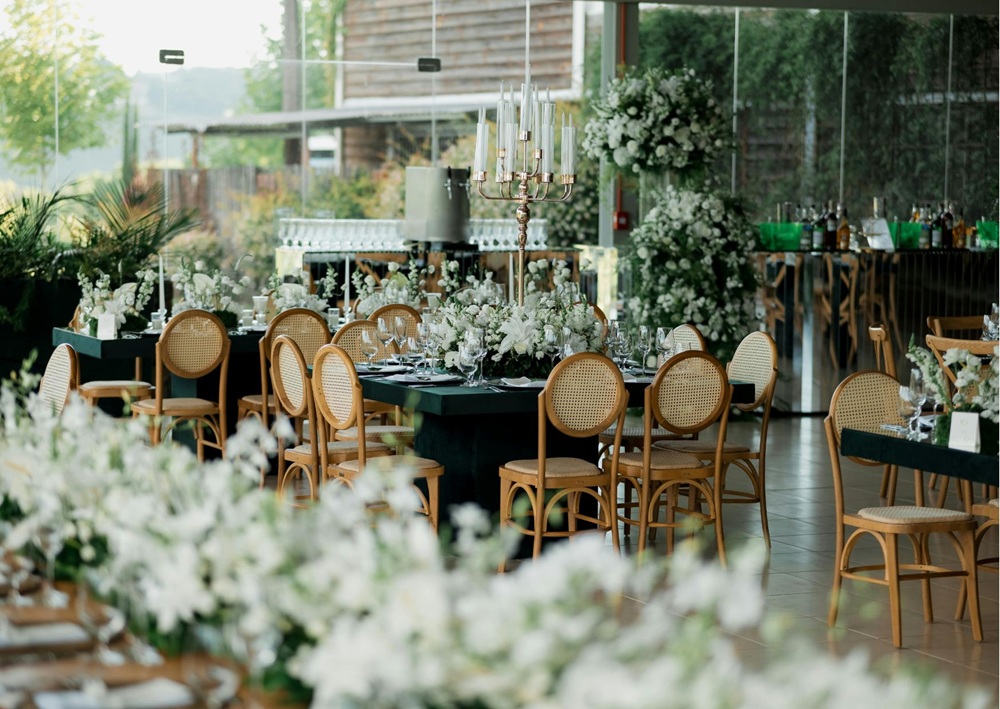
Choosing the right venue is one of the most important decisions in the event planning process. The venue serves as the foundation for the entire event, influencing everything from guest experience and attendance to logistics and budget. Whether you’re planning a corporate conference, wedding, fundraiser, trade show, or private celebration, the venue helps shape the atmosphere and overall impression attendees will have. A well-chosen venue can elevate an event and contribute to its success, while the wrong venue can create challenges that impact both organizers and guests. When thinking about what to consider when searching for a venue for your event, it’s important to look beyond appearance alone. While a beautiful space may catch your attention, factors such as location, accessibility, capacity, layout, available amenities, technology, parking, and catering options often have a greater impact on the event experience. The best venue is one that aligns with your event goals, accommodates your audience comfortably, and provides the resources needed to execute your plans efficiently. A successful event venue search begins with understanding your needs before exploring potential locations. Defining your budget, estimated attendance, event format, and logistical requirements will help narrow your options and simplify the decision-making process. By carefully evaluating key factors and comparing venues based on both functionality and guest experience, you can make a confident venue selection that supports your objectives and creates a memorable event for everyone involved.
Why Venue Selection Matters More Than Most People Realize
Many people view venue selection as simply finding a location large enough to host their event, but the reality is much more complex. The venue influences nearly every aspect of the event, from attendee satisfaction and logistics to branding and overall success. A thoughtful venue selection can enhance the guest experience, simplify planning, and help achieve event goals, while a poor choice can create challenges that are difficult to overcome.The Venue Sets the Tone for the Entire Event
The venue is often the first thing attendees notice when they arrive, making it a major factor in shaping first impressions. The atmosphere, architectural style, décor, lighting, and overall aesthetics all contribute to how guests perceive the event. Whether you’re hosting a formal gala, a professional conference, or a casual networking event, the venue should support the desired mood and reinforce the event’s purpose. The layout also plays a role by influencing how attendees interact, move through the space, and engage with activities throughout the event.How Venue Choice Impacts Guest Experience
A venue directly affects attendee comfort, convenience, and engagement. Factors such as location, parking availability, accessibility, seating arrangements, and available amenities can determine whether guests enjoy the event or encounter frustrations. An accessible and well-designed event planning venue makes it easier for attendees to participate, network, and stay engaged from start to finish. When guests feel comfortable and accommodated, they are more likely to have a positive overall experience.The Connection Between Venue Selection and Event Success
Successful events begin with strategic venue selection. The right event planning venue supports your goals by providing the space, services, and functionality needed to execute your vision effectively. Whether the objective is education, networking, fundraising, celebration, or brand awareness, the venue should align with those outcomes. Making venue selection a priority helps ensure smoother operations, stronger attendee satisfaction, and a more successful event overall.Define Your Event Requirements Before Starting Your Venue Search
Before beginning an event venue search, it’s important to clearly define your event requirements. Many planners make the mistake of touring venues before fully understanding their needs, which can lead to wasted time and poor venue selection decisions. By identifying your event goals, audience expectations, and budget limitations early in the planning process, you can narrow your options and focus on venues that are truly suitable. Taking this strategic approach makes it easier to find a venue that supports your vision while avoiding unnecessary compromises later.Clarify the Purpose of the Event
The first step in searching for a venue is understanding the purpose of the event. Different types of events require different environments, layouts, and amenities. A corporate conference may need presentation spaces, breakout rooms, and advanced audiovisual technology, while a wedding or gala may prioritize ambiance, décor, and catering services. Fundraisers often require room for entertainment and donor engagement, while networking events benefit from open layouts that encourage conversation and interaction. Clearly defining the event’s objectives will help guide your venue finder process and ensure the space supports the desired experience and outcomes.Understand Your Audience
Your attendees should play a major role in your venue selection decisions. Consider who will be attending, including their demographics, interests, expectations, and accessibility needs. If guests are traveling from out of town, a venue near airports, hotels, or major transportation routes may be ideal. For local attendees, convenient parking and easy access can improve attendance rates. It’s also important to consider accessibility features such as ramps, elevators, and accessible restrooms to ensure all guests can comfortably participate. Understanding your audience is one of the most important factors to consider when evaluating potential venues.Establish a Realistic Budget
A well-defined budget helps prevent overspending and narrows your venue options to those that are financially practical. In addition to the venue rental fee, consider expenses such as catering, beverages, audiovisual equipment, Wi-Fi, furniture rentals, décor, staffing, security, insurance, and parking. Many venues also charge service fees, cleaning fees, or overtime costs that should be factored into your planning. Setting aside contingency funds for unexpected expenses can provide additional flexibility and reduce stress as the event approaches. A realistic budget ensures your event venue search remains focused and aligned with your overall event goals.Location and Accessibility: Key Factors Every Planner Should Evaluate
When searching for a venue, location and accessibility should be among the first criteria you evaluate. Even a beautiful venue with outstanding amenities can create challenges if attendees struggle to reach it or navigate the space comfortably. The venue’s location directly affects attendance rates, guest satisfaction, scheduling, and overall event success. Choosing a convenient, accessible venue demonstrates consideration for your attendees while helping reduce logistical issues before and during the event.Choosing a Convenient Location
The location of your venue can significantly influence whether people decide to attend your event. For events that attract out-of-town guests, selecting a venue near major airports, hotels, and transportation hubs can make travel more convenient and reduce arrival-related stress. Corporate events often benefit from venues located near business districts, while conferences and trade shows may see higher attendance when situated close to hotels and convention centers. It’s also beneficial to consider nearby restaurants, entertainment venues, shopping districts, and local attractions. Guests often appreciate having activities available before or after the event, especially when traveling. A centrally located venue can improve the overall attendee experience while making your event more appealing and accessible to a wider audience. During your venue search, consider not only the venue itself but also the surrounding area and how it contributes to guest convenience.Transportation and Parking Availability
Transportation options are another critical factor when searching for a venue. Guests should be able to access the venue easily regardless of whether they drive, use public transportation, or rely on ride-sharing services. Venues located near major highways, train stations, bus routes, or airports typically offer greater convenience and can help improve attendance rates. Parking availability is equally important. Evaluate whether the venue provides on-site parking, valet services, or access to nearby parking structures. If parking is limited, determine whether alternative transportation options are readily available. Providing clear directions and transportation information ahead of time can help guests arrive on schedule and create a smoother event experience.Accessibility for All Attendees
Creating an inclusive event starts with selecting a venue that accommodates all attendees. Accessibility should be a priority throughout the venue search process, ensuring that guests with mobility challenges or other special requirements can comfortably participate in every aspect of the event. ADA-compliant venues typically offer features such as wheelchair-accessible entrances, elevators, ramps, accessible parking spaces, and properly designed restrooms. Beyond meeting legal requirements, inclusive venue design demonstrates a commitment to providing a welcoming environment for everyone. Consider factors such as seating arrangements, pathway widths, elevator access, signage, hearing assistance systems, and accessible presentation areas. Evaluating these key factors early can help prevent unexpected challenges and ensure all attendees have a positive, comfortable experience regardless of their individual needs.Venue Capacity, Layout, and Flow
A venue may have the right location and amenities, but if its size and layout don’t support your event’s needs, the attendee experience can suffer. Capacity, floor plan design, and traffic flow all play a significant role in determining how comfortable, functional, and engaging an event will be. During the venue selection process, planners should look beyond a venue’s stated capacity and evaluate how the space will actually be used throughout the event. A well-designed event planning venue allows attendees to move comfortably, participate in activities, and engage with others without feeling crowded or disconnected.Matching Venue Size to Attendance Numbers
One of the most important aspects of venue selection is ensuring the space appropriately matches your expected attendance. Choosing a venue that is too small can result in overcrowding, long lines, limited seating, and an uncomfortable environment that frustrates attendees. Guests may struggle to move between event areas, and networking opportunities can become limited when space is constrained. On the other hand, selecting a venue that is too large can create a different set of challenges. Large empty spaces often make events feel underattended and can reduce the energy and excitement organizers are trying to create. Attendees may feel disconnected from presentations, entertainment, or networking opportunities when people are spread too far apart. An effective event venue finder process should focus on balancing available space with projected attendance to create an environment that feels comfortable, engaging, and appropriately scaled for the event.Evaluating Floor Plans and Traffic Flow
A venue’s floor plan directly impacts how attendees experience the event. Before making a final decision, review detailed floor plans and consider how guests will move through the space. Registration areas should be easy to locate and large enough to prevent bottlenecks during arrival periods. Networking zones should encourage conversation without obstructing walkways, while exhibit spaces and vendor booths should be positioned to maximize visibility and foot traffic. For conferences and larger events, breakout rooms should be conveniently located and easy to access. Consider how attendees will transition between sessions, presentations, dining areas, and networking opportunities. Well-planned traffic flow helps reduce congestion, minimizes confusion, and creates a more organized experience. Evaluating crowd movement during the venue selection process can prevent logistical issues and improve overall event efficiency.Flexibility for Different Event Formats
The best event planning venue is often one that can adapt to different event formats and changing requirements. Depending on your goals, you may need banquet-style seating for a gala, classroom-style arrangements for training sessions, theater-style seating for presentations, or open layouts for cocktail receptions and networking events. Some events may even require multiple configurations throughout the day. Flexibility is especially important for modern events that include both in-person and virtual components. Hybrid events often require dedicated spaces for livestreaming, video production, speaker presentations, and audience engagement. A versatile venue that can accommodate various layouts and technology requirements provides greater planning flexibility and allows organizers to create an experience that aligns with their event objectives while adapting to attendee needs.Amenities, Services, and Technology Requirements
When evaluating potential venues, it’s important to look beyond the physical space and assess the amenities, services, and technology available. These elements can significantly impact both the planning process and the attendee experience. A venue that provides essential services and modern technology can reduce the need for third-party vendors, simplify logistics, and help events run more smoothly. As you consider what to consider when searching for a venue, take time to evaluate which amenities are included, which services require additional fees, and whether the venue can support the specific needs of your event.Catering and Food Service Options
Food and beverage service often plays a major role in the success of an event, making catering one of the most important factors to consider during venue selection. Some venues offer in-house catering services, which can simplify planning by providing a single point of contact for food preparation, service, and coordination. Others may allow outside caterers, giving planners greater flexibility when selecting menus and pricing options. When reviewing catering policies, ask whether the venue can accommodate dietary restrictions such as vegetarian, vegan, gluten-free, dairy-free, or allergy-sensitive meals. Beverage policies are equally important, especially for events that include alcohol service. Determine whether the venue provides bar services, requires specific vendors, or has licensing restrictions that may affect your plans. Understanding these details early helps avoid surprises and ensures guests have a positive dining experience.Audio Visual Equipment and Internet Connectivity
Technology is essential for many modern events, particularly conferences, presentations, training sessions, trade shows, and hybrid events. Before committing to a venue, evaluate its audiovisual capabilities and determine whether the available equipment meets your needs. Common technology requirements include microphones, speakers, projectors, LED screens, presentation monitors, video conferencing tools, and stage lighting systems. Reliable internet connectivity is equally important. Attendees often rely on Wi-Fi to access event information, participate in live polls, network with other guests, and share content online. Speakers, exhibitors, and event staff may also require strong internet access for presentations, demonstrations, and event management software. Ask about internet speeds, bandwidth limitations, guest access, and technical support availability. A venue with dependable technology infrastructure can help prevent disruptions and ensure a seamless event experience.Setup, Cleanup, and On-Site Support Staff
Experienced venue staff can make a significant difference in the success of an event. Dedicated setup and cleanup teams help prepare the space efficiently and allow organizers to focus on other aspects of event management. Many venues also provide event coordinators, facility managers, security personnel, and technical support staff who can assist before and during the event. Having knowledgeable on-site personnel available can help resolve issues quickly, coordinate vendors, manage timelines, and ensure everything runs according to plan. These services reduce stress for event organizers and contribute to a smoother overall experience.Additional Amenities Worth Considering
Beyond the basics, several additional amenities can add convenience and value to your event. Some venues include tables, chairs, linens, staging, dance floors, podiums, and decorative elements as part of their rental packages, helping reduce additional rental costs. Security services may also be available for larger gatherings or high-profile events. Other useful amenities include private green rooms for speakers and performers, coat check services, storage areas, charging stations for mobile devices, and dedicated spaces for exhibitors or vendors. While these features may seem minor individually, they can enhance attendee comfort, improve event operations, and contribute to a more professional and memorable event experience.Creating the Right Atmosphere and Event Experience
A successful event is about more than logistics and planning—it is also about creating an environment that leaves a lasting impression on attendees. The venue plays a significant role in shaping how guests feel, interact, and remember the event. When considering when searching for a venue, planners should evaluate how the space contributes to the overall atmosphere and supports the event’s objectives. From architectural design and décor to lighting and acoustics, every element of the venue helps influence the attendee experience. Choosing a venue that complements your event theme and audience expectations can enhance engagement and create a more memorable occasion.Matching the Venue Ambiance to Your Event Goals
The venue’s ambiance should align with the purpose and style of the event. Architecture, interior design, décor, and surrounding scenery all contribute to the mood guests experience upon arrival. A luxury ballroom may be ideal for a formal gala or awards ceremony, while a modern industrial venue might be better suited for a product launch or networking event. Corporate meetings often benefit from professional and sophisticated environments, while social celebrations may call for warm and inviting spaces. The venue’s surroundings also matter. Waterfront views, city skylines, gardens, historic landmarks, and scenic outdoor settings can enhance the overall experience and help create a stronger emotional connection with attendees. When evaluating venue recommendations, consider how the venue’s appearance and environment support the message, brand, or theme you want to communicate.Seasonal and Weather Considerations
Weather conditions can have a major impact on event success, particularly when outdoor spaces are involved. Outdoor venues can provide beautiful scenery and unique experiences, but they also introduce variables that planners cannot control. Seasonal temperatures, rain, wind, humidity, and extreme weather conditions should all be evaluated when selecting a venue. If you’re considering an outdoor location, it’s important to confirm that suitable backup plans are available. Indoor alternatives, covered spaces, tents, or flexible venue layouts can help protect your event from unexpected weather disruptions. Planning for seasonal conditions ensures guests remain comfortable and allows the event to continue smoothly regardless of weather-related challenges.Acoustics and Comfort
Attendee comfort is essential for maintaining engagement throughout an event. Acoustics should be carefully evaluated to ensure speeches, presentations, entertainment, and conversations can be heard clearly without excessive noise or echo. Poor sound quality can quickly diminish the attendee experience, particularly during conferences and large gatherings. Lighting and temperature control are equally important. Proper lighting enhances visibility and ambiance, while comfortable temperatures help guests remain focused and relaxed. A venue that provides quality acoustics, effective climate control, and comfortable seating creates a more enjoyable environment and contributes to a positive overall event experience.Hidden Costs, Contracts, and Venue Policies
One of the most common mistakes event planners make during the venue search process is focusing solely on the advertised rental price. While the base rental fee is an important consideration, it rarely reflects the total cost of hosting an event. Hidden fees, contract terms, and venue policies can significantly affect both your budget and planning flexibility. Understanding these details before signing an agreement can help prevent unexpected expenses and reduce the risk of complications later. Taking the time to review all costs and policies carefully is one of the key factors in making an informed venue selection decision.Understanding the True Cost of a Venue
The advertised rental fee is often only one component of a venue’s overall pricing structure. Many venues charge additional fees that can substantially increase the total cost of the event. Common expenses include service charges, gratuities for venue staff, security personnel, insurance requirements, equipment rentals, and cleaning fees. Some venues may also charge setup and breakdown fees, parking fees, utility charges, or administrative costs. Overtime fees are another important consideration. If an event runs beyond the contracted timeframe, venues may impose significant hourly charges for continued use of the space and staffing. Food and beverage minimums can also affect costs, particularly at hotels and banquet facilities. Before finalizing a venue, request a detailed cost breakdown that outlines all potential expenses. Having a complete understanding of the financial commitment allows planners to budget more accurately and avoid unpleasant surprises.Reviewing Contracts Carefully
A venue contract serves as the foundation of your agreement and should be reviewed thoroughly before signing. While rental costs often receive the most attention, contract terms can have an even greater impact if circumstances change. Pay close attention to cancellation policies, deposit requirements, payment schedules, and refund terms. Understanding these provisions can help protect your investment and clarify your obligations as the event organizer. Force majeure clauses deserve special consideration. These clauses outline how unforeseen events such as natural disasters, severe weather, public health emergencies, government restrictions, or other circumstances beyond either party’s control will be handled. Reviewing these provisions in advance can help minimize financial risk if unexpected disruptions occur. When necessary, consult legal counsel or experienced event professionals to ensure you fully understand the contract before committing to the venue.Restrictions and Vendor Requirements
Every venue has its own set of rules and operational requirements that can affect your event plans. Some venues require the use of preferred or exclusive vendors for services such as catering, audiovisual support, security, decorations, or event rentals. While these partnerships may simplify coordination, they can also limit flexibility and impact costs. It’s equally important to understand any restrictions related to decorations, entertainment, alcohol service, signage, open flames, confetti, or special effects. Certain venues may require permits for alcohol, outdoor events, amplified sound, or large gatherings. Reviewing these policies early in the venue search process helps ensure the venue can accommodate your vision and prevents last-minute adjustments that could affect the event experience. Careful evaluation of venue rules and requirements is one of the most important event recommendations for avoiding unnecessary planning challenges.Tips for Searching a Venue Efficiently
Finding the right venue can be one of the most time-consuming parts of event planning, especially when there are countless options to consider. Without a clear strategy, planners can spend weeks researching locations that ultimately do not meet their needs. Following proven tips for searching a venue can help streamline the process, save valuable time, and increase the likelihood of finding a space that aligns with your event goals, budget, and attendee expectations. By approaching your venue search with a structured plan, you can evaluate options more effectively and make a confident decision.Start the Venue Search Early
One of the most important guidelines for searching a venue is to begin as early as possible. Popular venues often book months or even years in advance, particularly during peak event seasons. Starting your venue search 6 to 12 months before the event gives you access to a wider selection of venues, preferred dates, and potentially better pricing options. Early planning also provides more time to negotiate contracts, coordinate vendors, secure accommodations, and address any logistical challenges. Waiting until the last minute can limit your options and force you to compromise on important requirements such as location, capacity, or amenities. The earlier you start, the more flexibility and control you’ll have throughout the planning process.Compare Multiple Venue Options
Even if the first venue you visit seems ideal, it’s important to compare multiple options before making a final decision. Conducting site visits allows you to evaluate each venue’s atmosphere, layout, accessibility, and overall suitability in person. Photos and online descriptions can be helpful, but they rarely provide a complete picture of the space. Many event planners use venue scorecards or evaluation checklists to compare venues side by side. Factors such as cost, location, capacity, amenities, technology, parking, and staff support can be rated and compared objectively. This approach helps eliminate emotional decision-making and ensures that the final venue selection is based on the factors that matter most to the success of the event.Ask the Right Questions During Tours
A venue tour is more than an opportunity to view the space—it’s a chance to gather important information that may not be included in promotional materials. Asking detailed questions can help uncover potential challenges and reveal how well the venue will support your event. Inquire about availability, setup procedures, technology capabilities, staffing, catering policies, parking options, and contingency plans for unexpected situations. Pay close attention to how venue staff respond to your questions. Professional, knowledgeable, and responsive staff often indicate a well-managed venue that values customer service. It’s also helpful to assess the venue’s flexibility regarding layouts, vendor requirements, scheduling changes, and special requests. A venue that demonstrates readiness, transparency, and a willingness to collaborate can make the planning process significantly easier and contribute to a more successful event overall.Event Venue Selection Checklist
After researching, touring, and comparing potential venues, it’s helpful to use a structured evaluation framework before making your final decision. A checklist allows you to objectively assess each venue and determine whether it meets your event’s requirements. During the venue selection process, it’s easy to become influenced by impressive aesthetics or promotional materials, but a comprehensive review of operational, logistical, and attendee-related factors will help ensure you choose the best event planning venue for your needs. Use the following checklist as a final step in your event venue search to confirm that no critical details have been overlooked.Quick Venue Evaluation Framework
Before committing to a venue, verify that it meets the following criteria:- Budget Alignment: Does the total cost, including fees and services, fit within your event budget?
- Location Convenience: Is the venue easily accessible for local and out-of-town attendees?
- Capacity: Can the venue comfortably accommodate your expected attendance without feeling overcrowded or empty?
- Layout and Flow: Does the floor plan support registration, networking, presentations, dining, and other event activities?
- Accessibility: Are ADA-compliant features, elevators, ramps, and accessible restrooms available?
- Catering Options: Can the venue accommodate your food, beverage, and dietary requirements?
- Technology Support: Does the venue provide reliable Wi-Fi, audiovisual equipment, and technical assistance?
- Parking and Transportation: Are there sufficient parking spaces, ride-share access, or public transportation options nearby?
- Contract Terms: Have you reviewed cancellation policies, deposits, insurance requirements, and refund provisions?
- Atmosphere: Does the venue’s design and ambiance align with your event goals and audience expectations?
- Backup Plans: Are contingency plans available for weather, technical issues, or unexpected attendance changes?
- Staff Support: Does the venue provide experienced coordinators, setup crews, security personnel, and on-site assistance?